



What Is Medical Plastic Moulding And How Does It Work?
Reliability, safety and biocompatibility are the challenges manufacturers often struggle with when engineering healthcare components. In medical plastic moulding, the slightest imperfection can affect the overall performance of devices. Idea Stampi can help you find the solution you are looking for by turning challenges into opportunities, innovating moulds and experimenting with new materials.
Medical plastic moulding: a brief definition
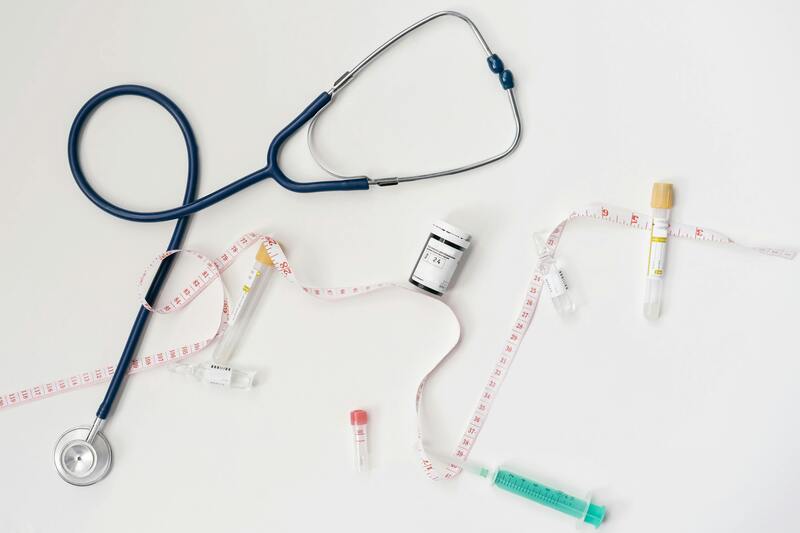
When we think about the healthcare industry, the first thing that comes to mind is the use of specific devices to dose and dispense fluids and gasses. This is where medical plastic moulding plays a crucial role.
Thanks to a high-precision injection method, it is possible to consistently manufacture large-scale sterile components for the medical sector. From diagnostic tools to surgical instruments, this technique allows achieving excellent results in terms of hygiene, safety, and reliability.
Discover more about medical injection moulding
Read here
The applications of medical plastic moulding
Medical plastic moulding encompasses variegated materials to work with to produce the most diverse instruments for healthcare applications. High-quality medical device plastic injection moulding is essential for creating components that meet rigorous regulatory standards.
What types of medical equipment are made using injection moulded plastics?
- Surgical equipment: sterile components such as forceps, scalpel handles, and surgical clamps that require absolute precision.
- Diagnostic devices: high-precision cases for blood glucose monitors, components for MRI machinery, and laboratory testing equipment.
- Implantable components: parts for long-term use where biocompatibility and consistent performance are vital.
- Drug delivery systems: accurate dosing systems, inhalers, and specialized pumps.
- Single-use items: mass-produced sterile disposables like syringes, vials, connectors, and tubing.
- Prosthetics and orthotics: durable and flexible plastic parts designed for patient comfort and mobility.
- Electronic medical housings: protective and insulating enclosures for sensitive medical electronics.
If you wish to know more about Idea Stampi medical plastic moulding technique
Contact usHow does it actually work?
Medical injection moulding is a highly sophisticated manufacturing process that involves injecting molten thermoplastic materials into custom-engineered moulds.
The process begins with the creation of high-precision building moulds plastics for sector medical, designed to account for material shrinkage and complex geometries.
Once the mould is clamped, the plastic resin is heated until fluid and injected under high pressure into the cavity. In the medical field, this process often takes place in controlled environments to prevent contamination. After the material cools and solidifies, the part is ejected with microscopic accuracy. This method is preferred for medical plastic injection moulding because it ensures exceptional repeatability, vital for maintaining the safety and compliance of healthcare devices according to FDA and ISO guidelines.
The plastic materials used in medical devices
For the manufacturing of medical devices, it is fundamental to choose raw materials carefully. Plastic is largely used for the manufacturing of these tools as it can withstand stresses and corrosion, while allowing the flexibility of the component.
Idea Stampi works with these materials:
- PMMA (Polymethyl Methacrylate): the perfect solution for lenses and viewing windows in surgical instruments.
- PEI (Polyetherimide): a preferred choice for sterilized and heat-resistant tools.
- PPS (Polyphenylene Sulfide): suitable for reusable medical devices that undergo frequent sterilization cycles.
- PC (Polycarbonate): can resist impacts; it is ideal for instruments subjected to mechanical stress.
- PBT (Polybutylene Terephthalate): a good solution for electronic medical equipment.
- POM (Polyoxymethylene): usually used in highly precise medical plastic moulds for building gears and valves.
- PP (Polypropylene): a versatile material used for both disposable and reusable medical components.
Would you like to know more about plastic materials for the medical sector?
Read here
The Idea Stampi medical plastic moulding process
Our cutting-edge approach to medical plastic moulding is meticulous in ensuring the high quality of every single component.
These are the main phases we undergo when we manufacture a healthcare product.
- Feasibility Analysis: at the beginning of a new project, we assess the feasibility of the moulding process by discussing the design directly with the client. The goal is to determine that the part we are actually designing can be built using the injection technique.
- VISI Flow Moulding Simulation: using this advanced software, we plan the moulding process in detail. The integrated system perfectly locates the injection point, which is crucial to achieve a levered surface without imperfections.
- Fine-Tuning: following the simulation, the design is adjusted and the overall component’s functionality improved by modifying the dimensions, the material distribution, and other core parameters.
- 3D Design With CAD/CAM/CAE Software: this is a groundbreaking technology which helps you manufacture even the most complex details with the utmost accuracy.
- Production: after the design and prototyping steps, medical plastic moulds can be built by our engineers.
- Testing And Final Approval: each mould undergoes strict testing to be validated. Only after this phase, it is possible to proceed to full-scale production. At the end of the manufacturing process, the components are controlled one-by-one to ensure their quality standards.
This rigorous workflow is what defines the method of Idea Stampi: a holistic engineering approach that combines decades of craftsmanship with Industry 4.0 technology to guarantee zero-defect production for the medical industry.
Would you like to know more about plastic injection moulding of medical parts?
Read here