




Low volume plastic injection moulding: a practical guide
Low volume plastic injection moulding is becoming an increasingly popular solution for companies that need high-quality parts without committing to the high costs of traditional mass production. By combining modern technologies such as 3D printing and precision machining, low volume injection moulding allows designers and engineers to produce small batches of functional parts efficiently, accurately, and cost-effectively.
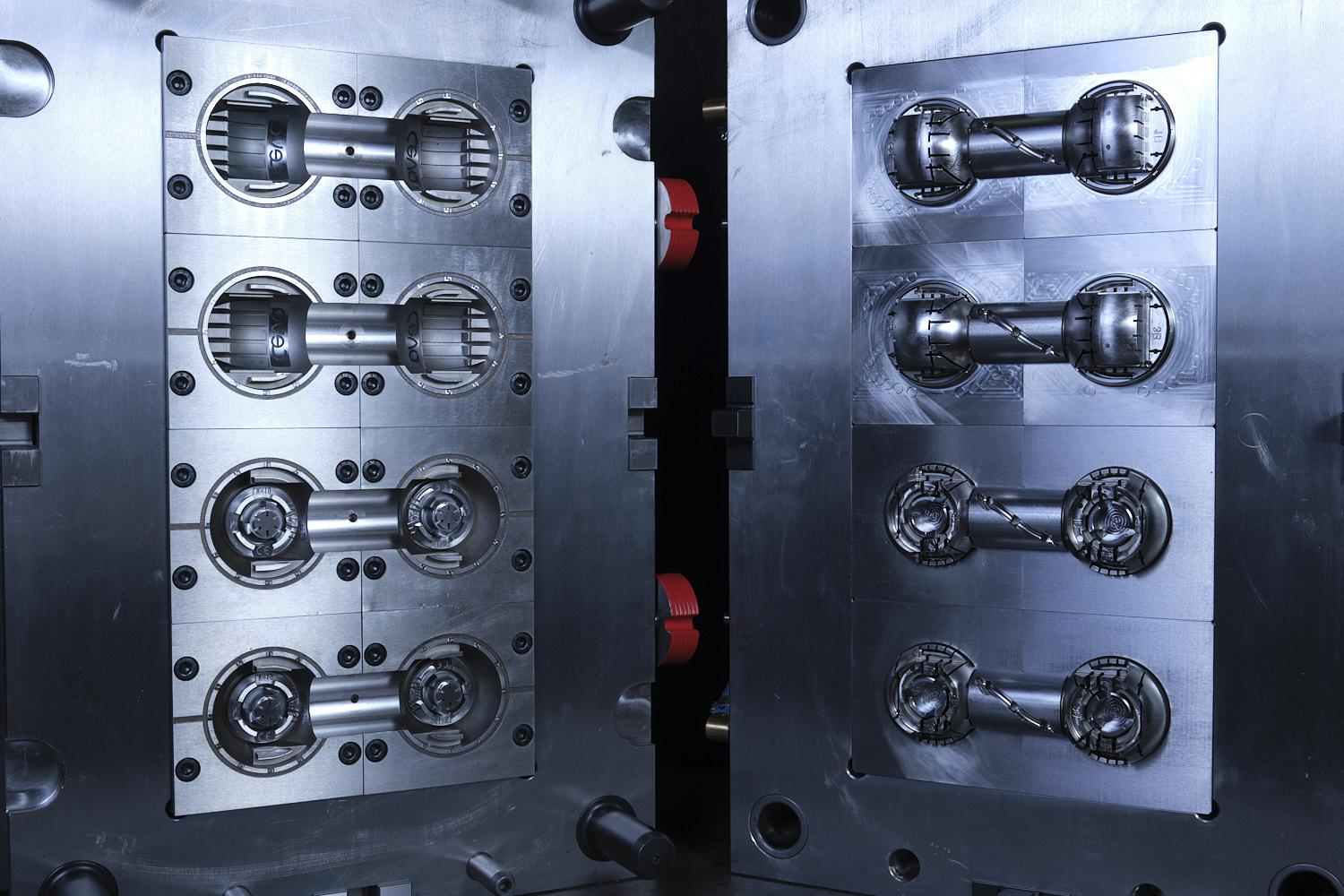

Applications
Low volume plastic injection moulding shines in key applications across demanding sectors:
- Rapid prototyping: functional prototypes can be produced with end-use materials, enabling realistic testing and validation of designs.
- Short-run production: manufacture small batches for pilot studies, market testing, or niche products, perfect for low volume molding services in volatile markets.
- Custom and on-demand manufacturing: create tailored parts without high tooling costs, minimizing inventory in sectors like IdeaStampi specializes.
These uses make this practice a versatile tool for startups, product developers, and companies looking to bring products to market faster and more efficiently.
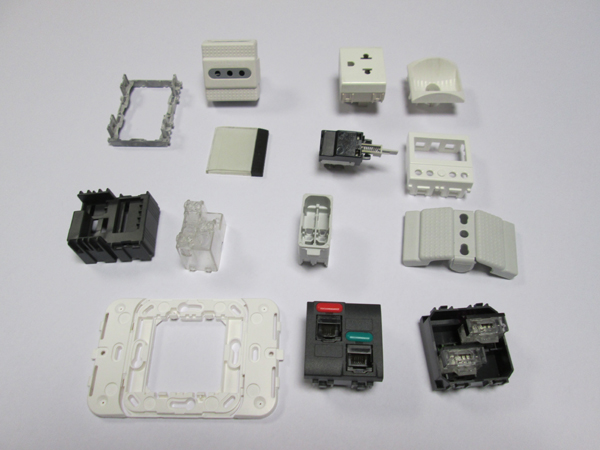
Best practices for low volume injection moulding success
To maximize results, follow these proven tips - drawn from real-world low volume projects:
- Design with uniform wall thickness to avoid warping;
- Use draft angles for easy demoulding;
- Select materials matching end-use (e.g., PP for flexibility, PC for transparency);
- Avoid undercuts or add inserts for complex geometries.
- Test multiple iterations early to refine tolerances.
Why choose Idea Stampi
At Idea Stampi, with over forty years of experience, we deliver reliable low volume injection molding services through fully in-house mould production and cutting-edge 3D printing/aluminium tooling. Our DFM (Design for Manufacturability) consultations and expertise in various sectors like automotive, medical and electronics, ensure high precision, repeatability, and compliance.
From prototype validation to small series, our team keeps you agile in competitive markets.
Contact us for more information!